Business Name: Manning Detail & Coatings
Address: 1812 W Sunset Blvd #30, St. George, UT 84770
Phone: (435) 572-0451
Manning Detail & Coatings
Manning Detail & Coatings is a mobile detailing and ceramic coating outfit that offers a shop, specializing in paint correction and ceramic coatings.
1812 W Sunset Blvd #30, St. George, UT 84770
Business Hours
Monday thru Sunday: 9:00am - 6:00pm
Facebook: https://www.facebook.com/manningdetail.coatings/ Instagram: https://www.instagram.com/manningdetailandcoatings/ YouTube: https://www.youtube.com/@manningdetailandcoatings
If you've ever viewed a completely washed vehicle roll into the sun and still spotted faint swirls and haze, you already know the fact most gloss-chasers learn the difficult method: shine starts with the paint, not the product. Ceramic coating gets the headings, but the magic happens when it goes onto a surface that has actually been effectively corrected. One prepares, the other protects. Skip either step and you leave efficiency on the table.
I have actually cut and polished hundreds of automobiles throughout environments ranging from salty seaside air to dusty mountain roadways. The pattern is consistent. A ceramic coating on an uncorrected surface area seals in defects. A well executed paint correction topped with a quality coating looks richer on the first day, stays cleaner between washes, and withstands the sluggish slide into dullness that vulnerable surfaces suffer. The difference is quantifiable in gloss readings and visible to anyone who appreciates reflections that snap into focus.
What "paint-corrected" truly means
Paint correction is more than running a polisher over the hood and calling it done. At minimum, it includes decontamination, leveling of the clear coat to get rid of or minimize problems, and refinement to an uniform surface. On contemporary OEM clear coats, flaws generally reside in the leading couple of microns of the clear. The objective is to safely shave down the surrounding clear to the depth of the flaws, then refine the surface area so light shows evenly.
In practice, the process typically follows this rhythm. You chemically break down iron and tar. You mechanically clay the surface area to eliminate bonded impurities. You test an area, inspect under proper lighting, and pick a pad and substance that eliminates flaws without excessive cut. Then you fine-tune with a finishing polish to get rid of micro-marring. That final improvement is what makes a ceramic coating look shiny rather than just shiny. It provides the finish a flat, tight canvas to bond to, and that settles in clarity.
Mobile detail operations can do this efficiently, however they require to bring the ideal lighting and perseverance. I've corrected paint in driveways, garages, even parking decks. The secret is controlling as numerous variables as possible: shade or a canopy, constant lighting, tidy power, and a clean environment to avoid dust landing in between stages.
Why coverings love fixed paint
Ceramic coating is a blanket term for liquid-applied polymers, typically based on silicon dioxide or SiO2 blends, that cross-link into a dense, resilient layer on your clear coat. The item fills microtexture and bonds best when it isn't battling contaminants, oxidation, or peaks and valleys from previous swirls. Consider it as grout. If the tile is uneven or filthy, the grout won't sit ideal or last as long.
A corrected surface provides 2 concrete benefits. Initially, it increases true surface area for bonding at the micro level, due to the fact that the clear is leveled rather than cratered with micro-defects. Second, it minimizes optical noise, so when the finish sets and amplifies gloss, it isn't magnifying distortion. The result is a deeper, more liquid look with tighter, cleaner reflections, specifically on darker colors where defects are less forgiving.
The useful advantages you can see and feel
Owners often ask what they will notice everyday. The list is shorter than the marketing sheets, but these are the changes you'll actually see.
- Cleaning becomes easier and much faster. Dirt and water have a harder time sticking, so you require less agitation and less chemicals to achieve a streak-free finish. A well layered car can be foam washed and washed visibly quicker. On my routine customers, I budget 20 to 30 percent less clean time after coating. Gloss holds, instead of collapsing in weeks. Traditional waxes pop for a couple of washes then fade. A great ceramic holds its gloss curve far longer. You still require to wash properly, but you do not chase that short-lived shine, because it does not evaporate as fast. Fewer micro-marring problems. With regular hand washes on unprotected paint, even gentle mitts introduce great swirls over time. Coatings create a harder, slicker surface that withstands the beginning of this micro-marring. It does not make your paint invincible, but it moves the needle. Better water habits in real weather condition. Hydrophobics aren't just a celebration technique. When water sheets and beads correctly, it carries dirt off the panel. That minimizes the possibility of mineral finding and makes drying safer. UV resistance that shows up at resale. Coatings slow the oxidation that reddens pink and blacks chalky. Over 3 to 5 years, that can imply a cars and truck that still presents like it should, which matters when it's time to sell or return a lease.
What ceramic coating doesn't do
Every experienced pro has actually had the very same conversation. Coatings do not make paint scratch-proof, and they do not remove the need to wash and keep. You can still swirl a layered cars and truck with a dirty sponge. You can still engrave it by letting sprinkler water bake on a hot hood. Bird droppings can still trigger chemical discolorations if disregarded, though you generally get more time to securely get rid of them.
Some lower expense finishes promise multi-year toughness but are highly based on care. Frequency of cleaning, pH of soaps used, local environment, and whether you park outdoors all impact real-world lifespan. The finishing is a durable sacrificial layer, not a force field. Expect sincere protection against typical threats, not miracles.
The neglected science: bonding and throughput
When you prep a surface area appropriately, you eliminate oils left by polishes and fillers that can interfere with bonding. An isopropyl or designated panel clean guarantees the finish touches clear coat rather than remaining lubricants. That's where we see genuine durability gains. A finishing that bonds well frequently acts in a different way right away. It flashes evenly, levels easily, and remedies without patchy spots.
Throughput matters in a professional store and for mobile detail, too. On a remedied and meticulously wiped surface area, application ends up being efficient. You work a panel, enjoy the flash, level with minimal pressure, and move on. You need less leveling towels and spend less time chasing high spots. That consistency cuts hours off larger tasks, which can lower the expense for the customer or permit more attention to information in the same booking window.
Note on types of ceramic products
Not all finishes are produced equivalent. Here is a concise way to think about them without wading into manufacturer tradition:
- Spray sealants with SiO2 material offer short-term slickness and hydrophobics. They're terrific toppers and upkeep tools, however they do not replace a true ceramic layer. Consumer-grade ceramics are single-component products with manageable wipe-on, wipe-off behavior. They're flexible and last, in practice, six to eighteen months depending upon conditions. Professional multi-layer systems divided into a base coat for firmness and a leading coat for slickness and chemical resistance. When installed correctly, they can deliver a number of years of service with regular maintenance.
As with numerous things in auto detailing, application quality matters more than advertised numbers. I have seen budget plan coverings outperform high-dollar items simply since the surface was thoroughly remedied and surgically clean before application.
The function of paint correction in the last look
A covering on uncorrected paint can look glossy at 10 feet and disappointing at two. Under direct sun or scanning LED light, the reality shows. Marring, holograms, sanding pigtails from factory or body store work, and etching that was never ever leveled will come back through the finish. Worse, the covering can deepen the appearance of problems by adding clarity.
On the flip side, a precise a couple of stage correction sets the table. On softer Japanese clear coats, a well picked finishing polish can work wonders after a light cut. On harder German clear, you might require a microfiber cutting pad with a lessening substance, then a devoted fine polish with a soft foam pad. A single car might need different combinations on various panels, particularly if prior repair work differ. That subtlety is what separates a simply coated car from one that looks abundant and refined.
Maintenance after coating matters
Think of maintenance as low-cost insurance. You extend the life of the coating, preserve the corrected surface underneath, and keep washing a low-drama routine. A couple of easy routines stack the deck in your favor.
- Use a pH-balanced hair shampoo created for coated automobiles, and prevent heavy gloss enhancers that mask habits. If you wish to include slickness, use a suitable topper after the wash rather than in the wash. Wash with tidy mitts and plush drying towels. Modification rinse pails and mitts regularly than you believe you need to. Dirt trapped in fabric is the enemy of remedied paint. Dry thoroughly to prevent water spots. In difficult water locations, a small deionized rinse system pays for itself in saved time and less spot removals. Decontaminate gently as required. Clay needs to be used sparingly after finish and only when chemical decon will not get rid of bonded pollutants. If claying is required, utilize an ultra-fine grade with adequate lubricant to minimize marring. Inspect under great light every couple of months. If hydrophobics fall off in spots, an appropriate wash and topper generally brings back behavior. If not, look for ingrained pollutants or areas where a deep clean or partial recoat might be needed.
The economics of doing it right
There is a factor quality correction and ceramic coating expenses more than a fast wash and wax. You are buying time, not simply gloss. Time saved on each wash for many years. Time you do not spend re-polishing every season. Time your paint invests secured versus UV, chemical fallout, and minor abrasion.
Let's usage basic math from my client base. A coated automobile decreases typical wash time by 20 to 30 percent. If you wash twice a month and each wash drops from 75 minutes to approximately an hour, you conserve 6 to 8 hours a year. Over three years, that's a full day restored with better results and less threat. Add the avoided cost of frequent maker polishing, which consumes into clear coat and ultimately requires a repaint. By protecting the correction, you extend the life-span of the factory finish, which is generally remarkable to an aftermarket respray in sturdiness and texture.
Resale value also factors in. Buyers observe a vehicle that looks crisp. For beautiful paint on mid-range automobiles, I have actually seen private sale prices improve by a couple of hundred to a couple thousand dollars compared to comparable mileage examples that look worn out. That space broadens for lover or specialized models where cosmetics bring more weight.
When a full correction isn't the right move
Not every cars and truck requires a multi-stage correction. Spending plan, paint thickness, and intended use all matter. A work truck that resides in building lots may benefit more from a light polish and a robust single-layer finishing that can be reapplied yearly. A classic car with thin single-stage paint might not endure heavy cutting. In those cases, a conservative method with focus on preservation makes sense.
Edge cases turn up. Fresh repaints require appropriate treatment time before finish, typically four to eight weeks depending on the paint system and bake. Factory orange peel differs extremely by brand name. If you are going after a show-car finish, you might select texture decrease before finishing, however that gets rid of a lot of clear and needs to be done only when you accept the trade-offs. A reputable detailer will determine paint, explain dangers, and propose a plan that fits the car and your goals rather than pressing a one-size-fits-all package.
How to select a service provider who gets both sides right
Picking an expert has to do with trust and openness. The best service providers talk more about preparation and process than trademark name. They inspect in front of you, mention defects with a light, and discuss realistic results. They are comfortable stating no when your expectations and your paint thickness don't align.
Ask about their lighting setup, panel clean protocol, pad and polish system, and the number of test areas they typically carry out. In mobile detail settings, ask how they control dust and whether they bring canopies or portable lights. A pro who takes the environment seriously will provide constant outcomes even without a repaired shop.
If you choose DIY, begin decently. A strong one-step polish can deliver an unexpected improvement on gently swirled paint. Match it with a respectable customer ceramic and take your time with panel preparation. Work small areas, watch the flash, and level systematically. The first lorry teaches you more than any video.
What success appears like three months later
The honeymoon duration tells you almost nothing. The genuine test is quarter two, after rains, heat cycles, and a few washes. An appropriately fixed and covered cars and truck still looks crisp with a standard wash. The beading pattern remains tight throughout the majority of panels. Drying is quick and almost streak-free. If you shine a light throughout the hood, you see minimal brand-new marring. And when you run your turn over the paint after drying, it still feels slick rather than grabby.
I keep logs for maintenance clients. The automobiles that hold up best share the exact same formula. Extensive correction to a sensible level, a well matched coating, mindful panel preparation, managed application, and straightforward upkeep. Miss one, and the timeline compresses. Do them all, and the car looks "simply detailed" most days without residing in a bubble.
Weather, seasons, and the finish's day-to-day grind
Climate shapes results more than item sheets confess. In seaside areas, salt mist and onshore winds embed pollutants much faster. You will desire more frequent rinses and periodic chemical decontamination to preserve hydrophobics. In arid zones, dust and tough water need cautious drying and a mild topper to keep slickness. In cold climates, road brine is nasty and ruthless. A covering assists that mess release during a pre-rinse so ceramic coating you aren't grinding grit into the paint.
A quick anecdote highlights the point. 2 similar hatchbacks, same color, both corrected and covered the same week. One lives in a covered city garage, short commute, hand-washed biweekly. The other lives outdoors near a busy highway, cleaned at a touchless twice a month. At six months, the garage vehicle still beads like an industrial, and micro-marring is scarce. The outdoor car still beads, however less firmly, and the windscreen pillars show the very first whispers of wash marks. A focused decon, a gentle topper, and those pillars cleaned up. The lesson: upkeep becomes part of the ceramic coating system, not an afterthought.
Where ceramic fits to name a few protection options
Waxes and polymer sealants still belong. They are inexpensive, flexible, and enjoyable to use. They supply good short-term gloss and appropriate water behavior, but they get rid of within weeks to a couple months. Paint protection movie sits at the other severe, offering genuine effect and abrasion resistance, specifically on high-strike zones like bumpers and rocker panels. A number of my customers run movie on the front and a ceramic on the rest, then top the film with a compatible finish for uniform behavior.
If your spending plan requires a choice, invest more on the preparation than the badge on the bottle. A modest ceramic on a fixed surface will surpass a high-end coating smeared over swirls. That is not a viewpoint; it is what you see under the sun and in the rinse bucket.
An easy roadmap for owners
For anybody balancing time, spending plan, and expectations, this is the tidy sequence that consistently delivers:
- Evaluate the paint honestly under good light. Decide on a correction level that fits thickness, objectives, and use. Decontaminate thoroughly, test pads and polishes, and refine till the surface is consistent. Clean panels with a true panel prep, not household alcohol that may consist of additives. Choose a ceramic that matches your upkeep design. If you like to play, a professional-grade multi-layer system with yearly checks works. If you desire simplicity, a single-layer product with quarterly toppers is fine. Apply in regulated conditions, checked out the flash rather than a stop-watch, and level high spots before they harden. The very first 24 hr after application are protective custody time: no rain, no sprinklers, no washing. Wash gently, dry completely, and revitalize with a suitable topper as behavior fades, not after it is gone.
That plan works for daily drivers, weekend toys, and household haulers alike. It respects the clear coat you currently own and prevents the trap of chasing shortcuts.
Final thoughts from the polishing cart
Ceramic covering on paint-corrected surfaces is not a trend. It is a useful pairing. Correction offers the finish a perfect stage, and the finish keeps the performance going week after week. You get a surface that looks much better on day one and protects itself against the most typical insults: sun, gunk, negligent washes, and time itself.
If you are a cars and truck enthusiast who takes pleasure in the ritual, the mix rewards you every wash. If you simply want your car to look good with less effort, it silently pays you back in time conserved and headaches prevented. Whether you check out a trusted auto detailing studio, book a mobile detail in your driveway, or set aside a weekend in the garage, invest initially in the surface, then in the guard. Safeguard and perfect, because order, and your paint will thank you each time it catches the light.
Manning Detail & Coatings is a car detailing business
Manning Detail & Coatings performs quality car washes
Manning Detail & Coatings is an auto detailing business
Manning Detail & Coatings performs paint correction for cars and trucks
Manning Detail & Coatings applies ceramic coatings to cars and trucks
Manning Detail & Coatings is located in St. George, Utah
Manning Detail & Coatings offers paint correction services
Manning Detail & Coatings offers auto detailing services
Manning Detail & Coatings cleans and washes cars and trucks
Manning Detail & Coatings operates from a shop
Manning Detail & Coatings provides mobile onsite details
Manning Detail & Coatings features full service truck detailing
Manning Detail & Coatings offers engine bay cleaning
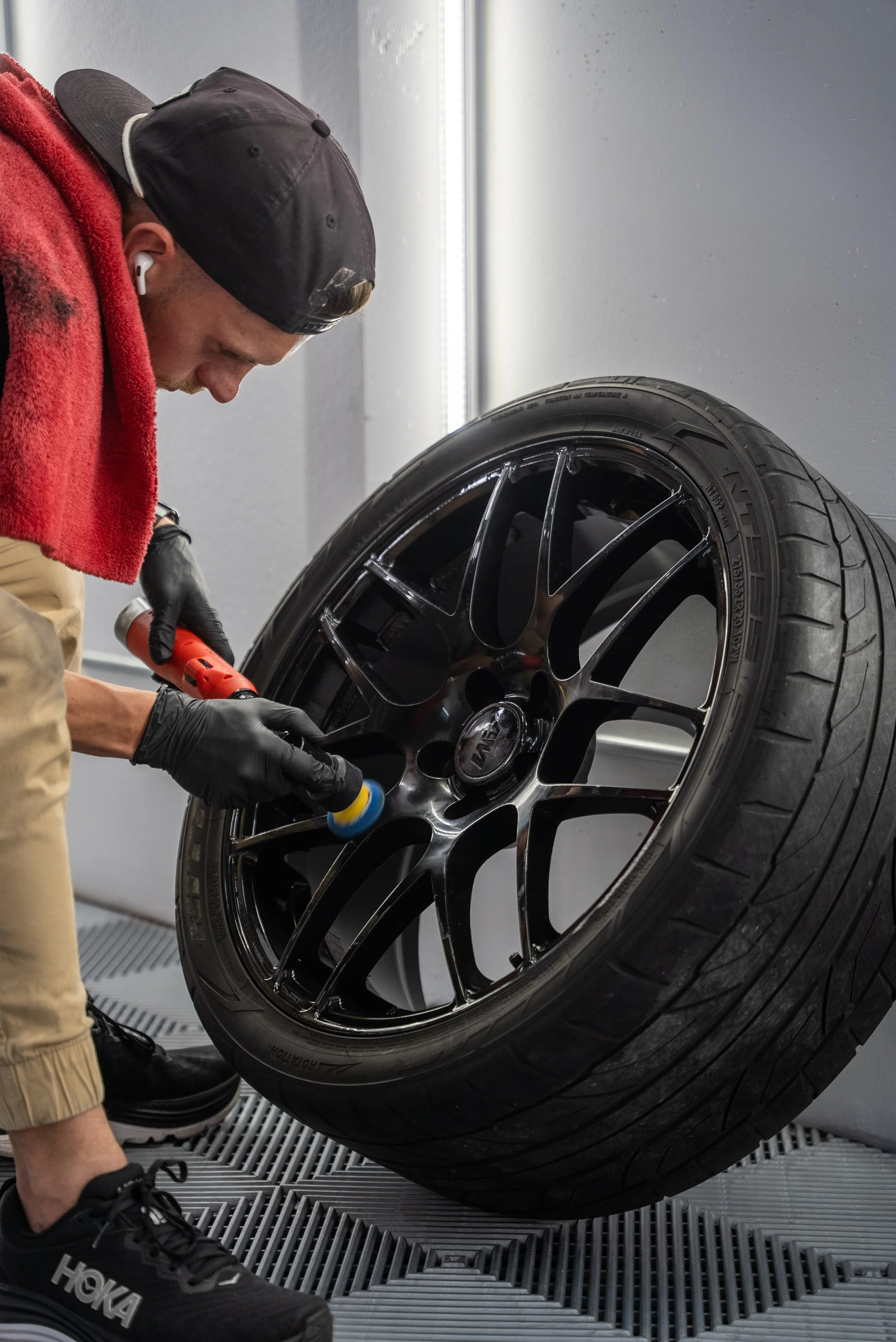
Manning Detail & Coatings provides off-wheel and rim cleaning services
Manning Detail & Coatings has a phone number of (435) 572-0451
Manning Detail & Coatings has an address of 1812 W Sunset Blvd #30, St. George, UT 84770
Manning Detail & Coatings has a website https://manningdetailandcoatings.com/
Manning Detail & Coatings has Google Maps listing https://maps.app.goo.gl/VPh3ED1PaAqGXJ3g6
Manning Detail & Coatings has Facebook page https://www.facebook.com/manningdetail.coatings/
Manning Detail & Coatings has Instagram https://www.instagram.com/manningdetail.coatings/
Manning Detail & Coatings has YouTube channel https://www.youtube.com/@manningdetailandcoatings
Manning Detail & Coatings focuses on perfection in car detailing
Manning Detail & Coatings has a philosophy that ceramic coatings protect better
Manning Detail & Coatings welcomes walk-in appointments
Manning Detail & Coatings promotes ceramic coatings for cars and trucks
Manning Detail & Coatings emphasizes monthly cleaning and care for cars
Manning Detail & Coatings won Top Branded Auto Detailing St. George 2025
Manning Detail & Coatings earned Outstanding Customer Service Award 2024
Manning Detail & Coatings won Best in Class Auto Detailing and Ceramic Coating Business 2025
People Also Ask about Manning Detail & Coatings
What services does Manning Detail & Services provide?
Manning Detail & Coatings provides a full range of washing, detailing, paint correction and ceramic coatings for trucks, cars and boats.
How is Manning Detail & Services different from other car detailers?
Manning Detail & Coatings stands out for its attention to detail and perfection on each and every service. Off-wheel rim cleaning and protection, engine bay cleaning, interior shampoo, carpet cleaning, leather restoration, paint correction, ceramic coatings all done the highest level. Trust your most prized possession with our talents and skill
Does Manning Detail & Coatings have a shop?
Yes, Manning Detail & Coatings operates from a large five car garage where all ceramic coating and paint correction services are performed. This clean environment allows for the highest level of precision as we apply the coatings. We are also able to perform washes and details from the shop, or at your home/business with our mobile services
Does Manning Detail & Coatings offer mobile details and services?
Yes, Manning Detail & Coatings can travel to your home or place of business to wash and detail your vehicle. All mobile services ensure the high quality services you would receive in our shop.
Where is Manning Detail & Coatings located?
Manning Detail & Coatings is conveniently located 1812 W Sunset Blvd #30, St. George, UT 84770. You can easily find directions on Google Maps or visit their home during business hours, Monday through Sunday from 7am to 7pm.
How can I contact Manning Detail & Coatings?
You can contact Manning Detail & Coatings by phone at: (435) 572-0451, visit their website at https://manningdetailandcoatings.com/,or connect on social media via Facebook, Instagram & YouTube
For those wanting a place to visit and relax, close to our ceramic coating shop is beautiful Snow Canyon State Park.